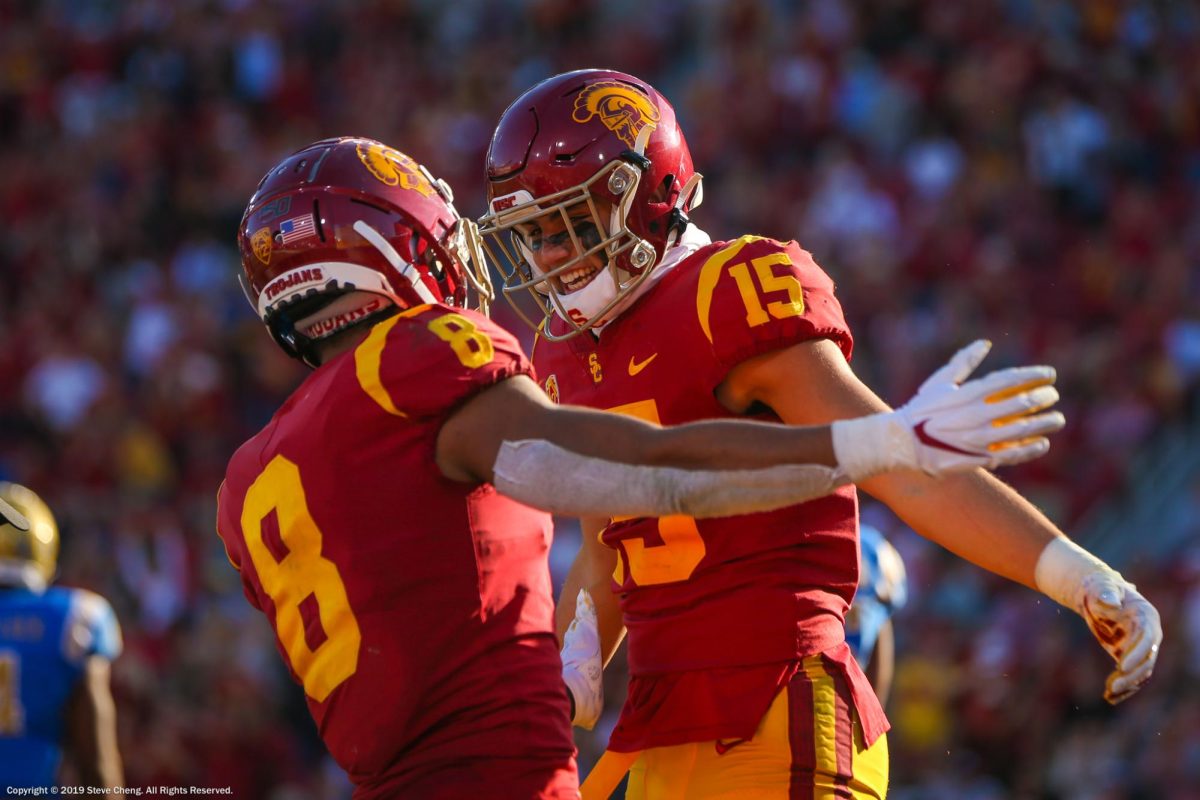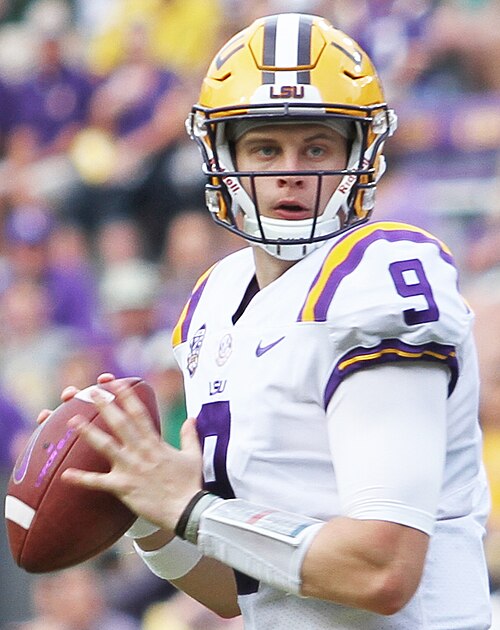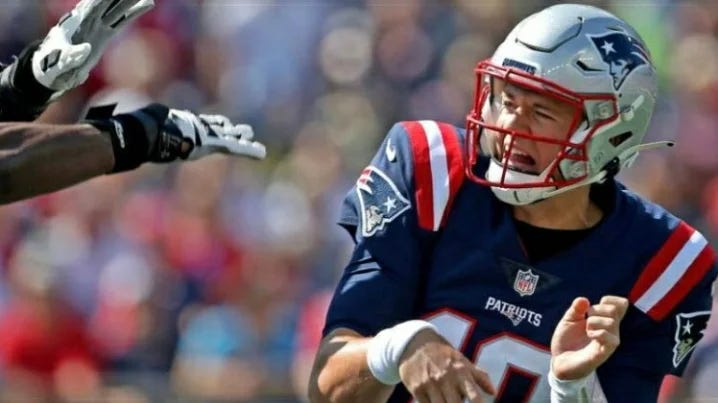
Football dominates American culture. The NFL owns television ratings, headlines, and entire days of the week. Games are treated like national holidays, and the Super Bown has become one of the most watched broadcasts all over the U.S.
But popularity should not be confused with quality… For all its hype, football is one of the most overrated sports in the country.
At its core, football is a game of short bursts separated by long pauses. A typical broadcast lasts around three hours, yet only a fraction of that time involves actual gameplay. The rest is filled with huddles, timeouts, replay reviews, and commercial breaks. While fans celebrate the sport as intense and action-packed, much of the experience is spent waiting.
Compare that to sports like basketball or soccer, where play flows continuously and athletes must make decisions in real time. In football, strategy is often praised as the game’s defining feature. But the frequent stoppages are what allow that strategy to exist so visibly. Other sports require just as much intelligence, only without the luxury of constant pauses.
Football’s structure is not accidents; it is built for television. Every break creates another opportunity for advertising, turning games into extended marketing bazaars. The Super Bowl is the clearest example. Commercials and halftime performances often receive as much attention as the game itself, if not more. What should be the sport’s biggest moment doubles as a showcase for corporate branding.
This commercial focus shapes how the sport is consumed. Fans are not just watching competition; they are participating in a broader entertainment product that includes sponsorships, fantasy leagues, and betting markets. The result is a spectacle where the surrounding push can outweigh the game on the field.
None of this means football lacks skill or excitement. The athletes are elite, and the stakes are always high. But the way the sport is presented, and the scale of attention it receives, far exceeds what it delivers moment to moment.
Football is not popular because it is most dynamic or engaging sport. It is popular because it is packaged, marketed, and promoted better than anything else out there. That difference is what makes it stick out in the sports industry.
If the measure of a sport is how consistently it keeps its audience engaged, football falls short. And yet it continues to sit at the top of the sports world, legacy unchanged.
The question is not why football is successful –
Its why so few people are willing to truly admit that it might not deserve to be.